Render isn't just about how the outside of your house looks — it's the layer between your walls and the weather, and the wrong choice can mean cracking, damp, or a repaint within five years. This guide walks through what's actually on the market in the UK in 2026, when each type works, and what to avoid.
The five render types you'll come across
1. Sand and cement (traditional render)
The cheapest option and what most older houses have. A mix of sand, cement, and lime, applied in two coats and finished with paint or a topcoat.
- Best for: solid-wall Victorian or Edwardian properties where you want a like-for-like repair, or budget-conscious new builds.
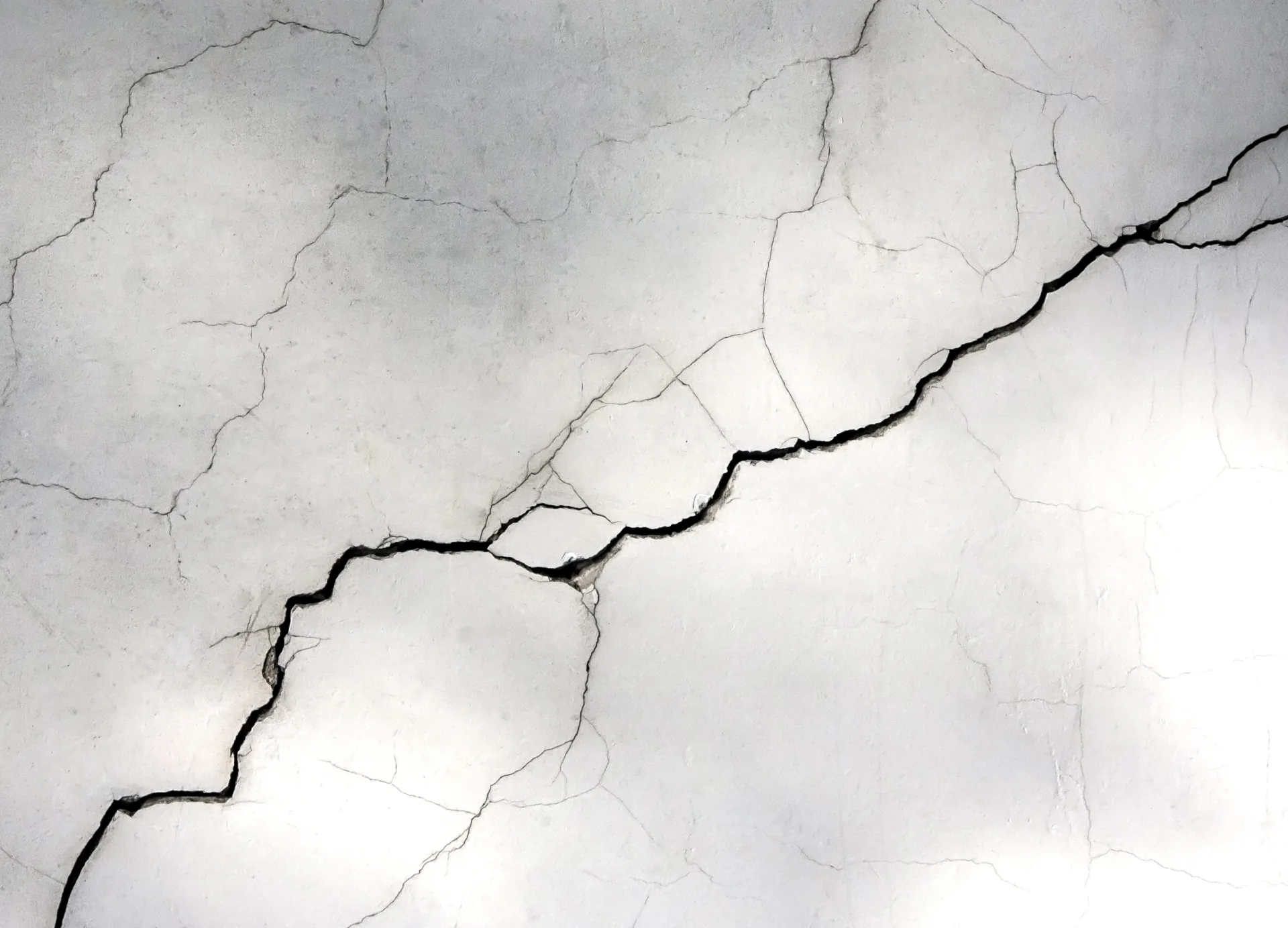
- Watch out for: it's rigid. Modern timber-frame or insulated walls move slightly, and sand-and-cement will crack along those movement points. It also needs painting every 5–10 years.
2. Lime render
A breathable, traditional material that lets old walls dry out naturally instead of trapping moisture.
- Best for: listed buildings, stone cottages, anywhere with rising damp issues, conservation areas.
- Watch out for: slow to apply (multiple thin coats over weeks), and specialists charge more. Worth it on the right property; overkill on a 1990s semi.
3. Acrylic / polymer-modified render (thin-coat)
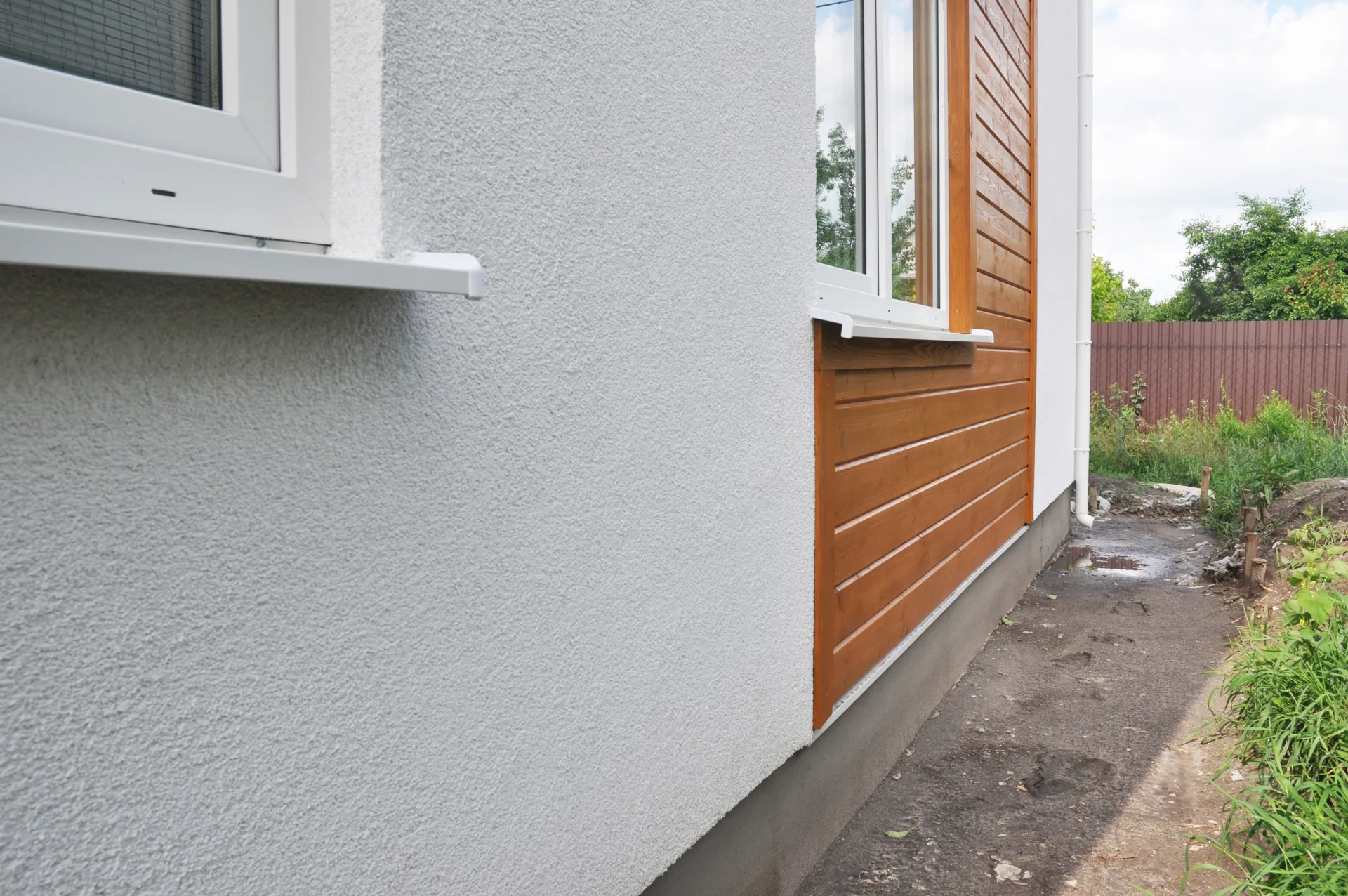
A pre-mixed, flexible top coat applied 2–3mm thick over a base coat. Pre-coloured so no painting.
- Best for: new builds, extensions, and any property where you want a modern flat finish in a specific colour.
- Watch out for: less breathable than lime — not great on old solid walls. Can show algae if north-facing and shaded.
4. Silicone render
The current go-to for premium new builds and EWI systems. Highly water-repellent, self-cleaning, breathable, and very flexible.
- Best for: anyone who wants the longest-lasting finish (15–25 years), or anyone insulating their walls externally.
- Watch out for: the price. Typically 30–50% more than acrylic, but you save it back in not repainting.
5. Monocouche (one-coat) render
A single-coat polymer render applied 10–15mm thick. Pre-coloured, with a scratched or floated finish.
- Best for: new build estates, large flat walls where speed of application matters.
- Watch out for: the scratched finish is divisive — some love it, some find it dated. Less forgiving of movement than silicone.
How to actually choose
Start with your wall. Is it solid masonry (pre-1920s), cavity, timber frame, or already insulated? Breathable walls need breathable render — full stop. Trap moisture in a solid Victorian wall behind acrylic and you'll see damp inside within two winters.
Then consider:
- Exposure — coastal or hilltop sites take a beating. Silicone earns its money there.
- Colour — anything pre-coloured (thin-coat or monocouche) saves a lifetime of painting, but you're locked into that colour.
- Movement — extensions, timber frame, or anything sitting on different foundations will flex. Choose flexible (silicone or acrylic), not rigid (cement).
- Budget — sand-and-cement is around 40% cheaper upfront, but twice as expensive over 20 years once you factor in repainting and crack repair.
What we'd recommend, in plain English
- Pre-1920s solid wall, traditional look: lime render.
- New build or extension, modern flat finish: silicone thin-coat.
- Same again but on a budget: acrylic thin-coat.
- Repairing existing render to match the original: like-for-like (usually sand and cement).
- External wall insulation: always silicone topcoat.
If you're unsure, send us a couple of photos of the property and we'll tell you honestly — sometimes the cheaper option is the right one.
Not sure which render is right for your property?
Send us a couple of photos and we'll give you an honest answer in plain English — no pushy sales.