If your home was built before 1990, there's a good chance the walls are losing more heat than the rest of the property combined. The roof and floors usually get sorted to current standards eventually, but solid walls — and even older cavity walls — are overlooked. External Wall Insulation (EWI) is the only practical fix that doesn't involve ripping out the inside of every room.
What it actually is
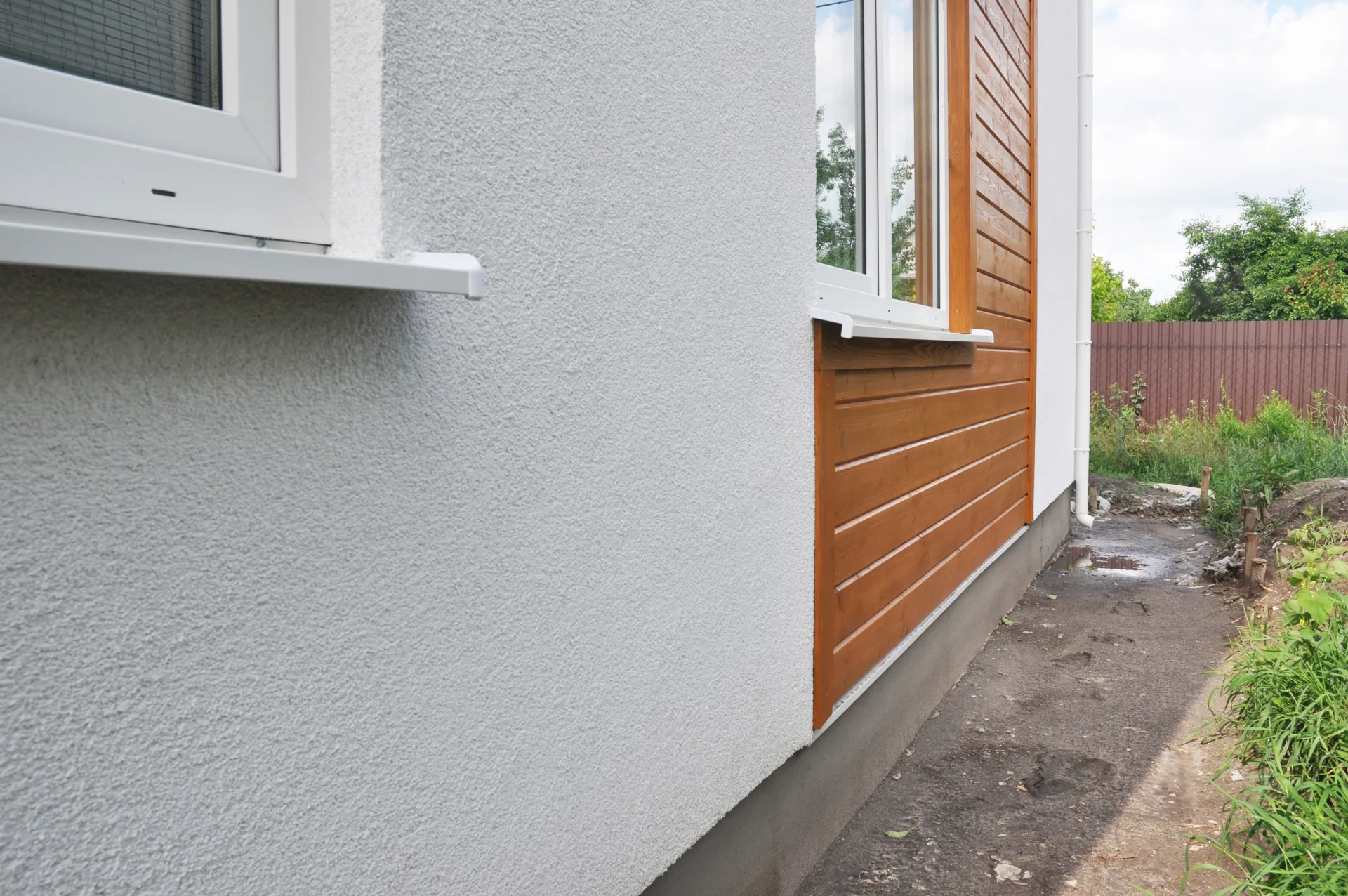
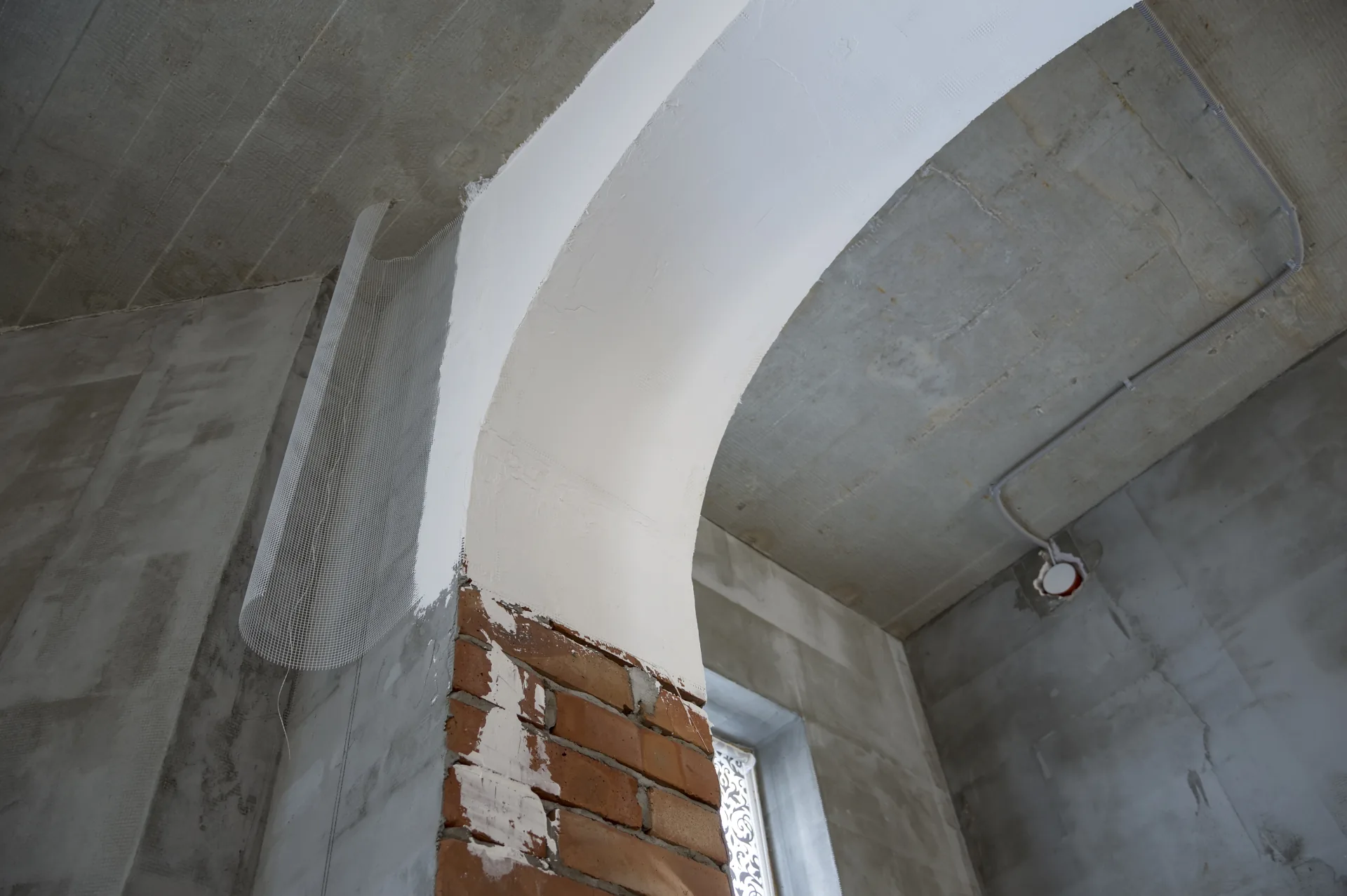
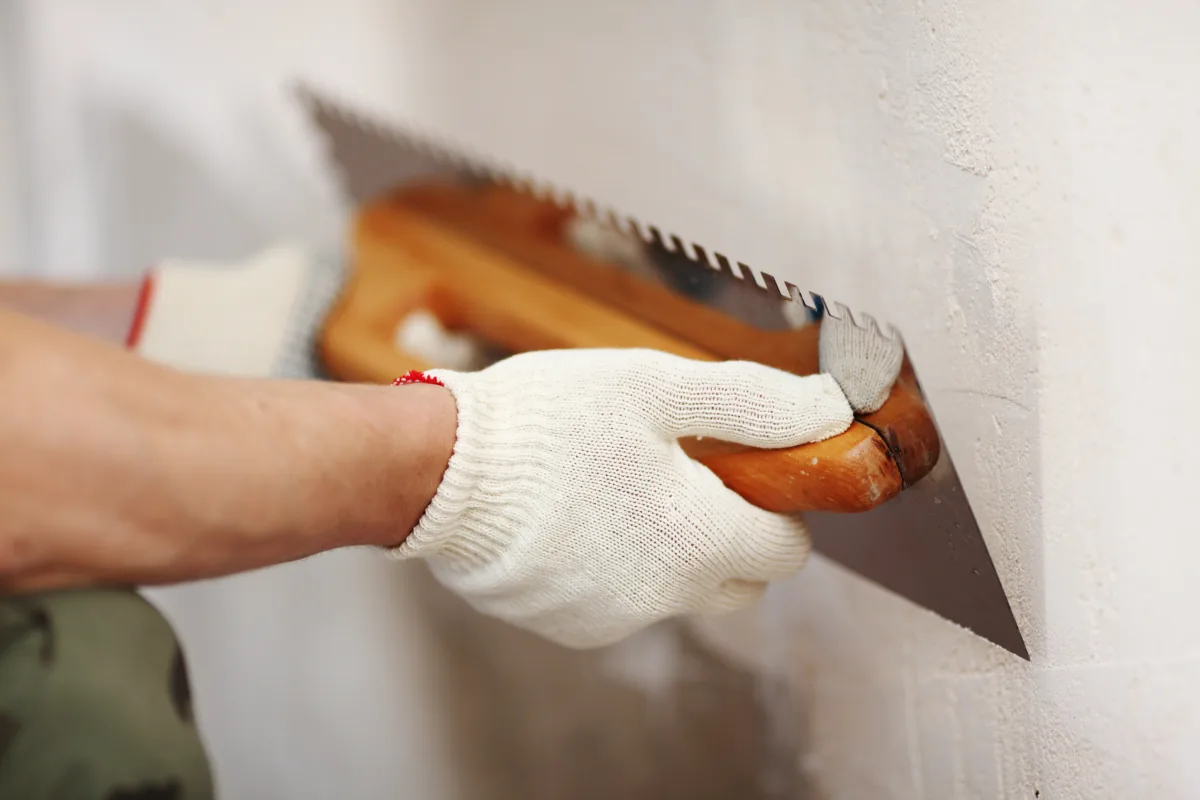
EWI is exactly what it sounds like: a layer of rigid insulation (usually 90–150mm of EPS or mineral wool) fixed to the outside of your walls, then rendered over to weather it. The wall is still your wall — you just wrap it in a thermal jacket and finish the outside with render.
Why people actually install it
Heating bills drop
A 1930s solid-wall semi typically loses 35–45% of its heat through the walls. EWI brings the U-value of the wall from around 2.0 W/m²K down to 0.28 — better than building regs require for new construction. Real-world savings for an average gas-heated detached house are usually £400–£800 a year at current prices.
The house gets quieter and warmer
This is the one customers always mention afterwards. The thermal mass of the wall is now on the inside, so rooms hold heat for hours after the boiler turns off. Cold spots near external walls disappear. Road noise is noticeably reduced.
Condensation and mould stop
Cold internal wall surfaces are where condensation forms — usually in the corners of bedrooms above curtains. EWI keeps the inside face of the wall warm, so moisture stays in the air rather than condensing on the plaster. Black mould patches don't come back.
The render becomes the weather defence
A proper EWI system uses a flexible silicone topcoat that's water-repellent and self-cleaning. No more painting every 7 years, no more pebbledash to chip off, no more pointing to repair.
Property value goes up
Energy performance is now on every buyer's mind. EWI typically takes an EPC from D/E to a solid C — on the right property, up to B. That's worth roughly 5–8% on sale price according to recent Nationwide data.
What it costs and what grants are available
For a typical 3-bed semi, expect £8,000–£14,000 fully installed, including scaffolding, insulation, render, and bead/trim work. That's a lot of money, but:
- The ECO4 scheme can fund the whole thing for households on certain benefits.
- The Great British Insulation Scheme (GBIS) is open to homes in Council Tax bands A–D in England (A–E in Scotland and Wales) with an EPC of D or below — contributions vary by household.
- Some local councils run their own top-ups.
We can check eligibility for you before quoting.
What to watch out for
EWI is a serious bit of building work and there are bad installers out there. The common mistakes we see:
- Bridging the damp-proof course — moisture wicks up into the insulation.
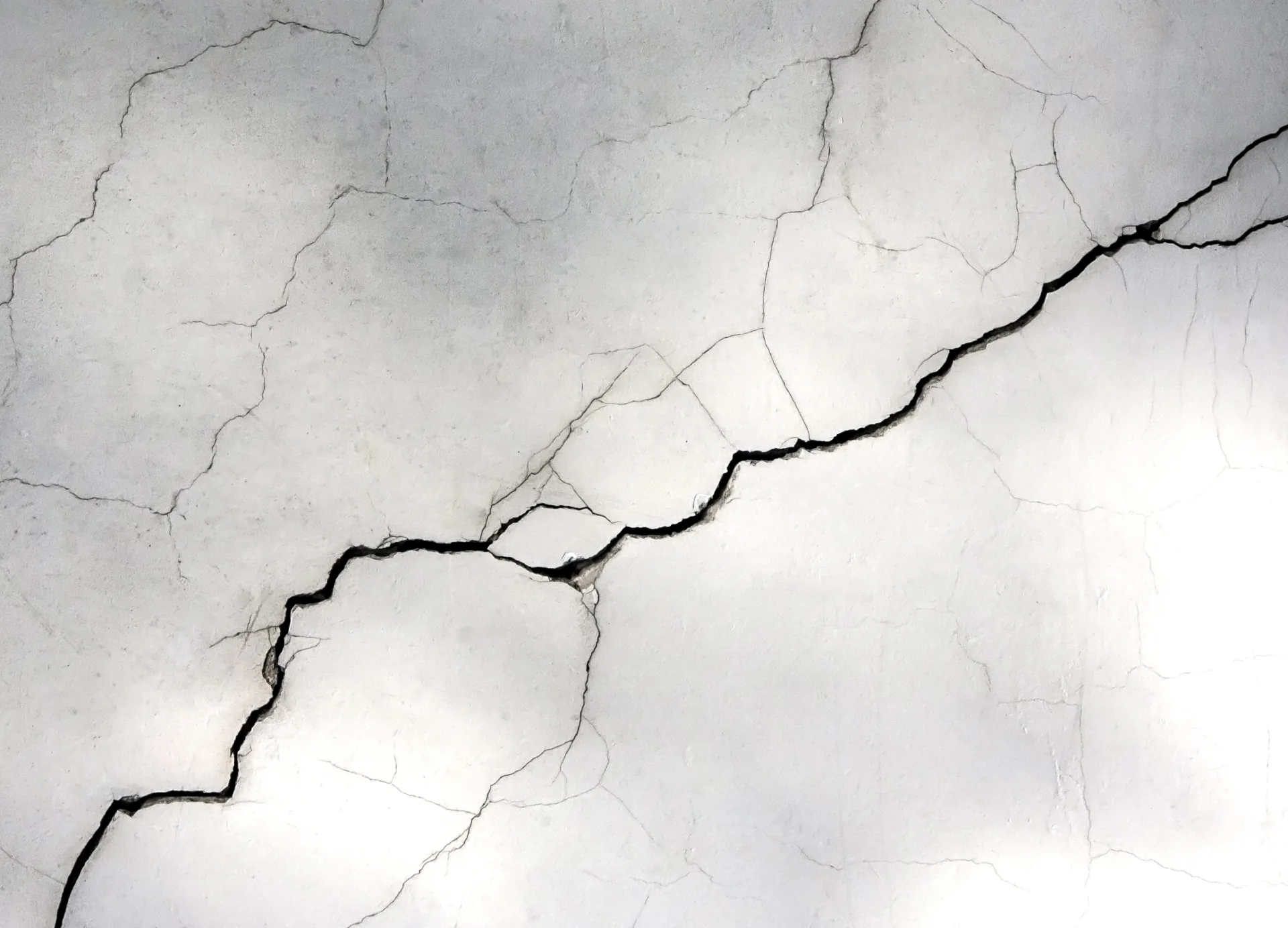
- No movement joints — render cracks within two years.
- Wrong fixings on rubble walls — boards come loose.
- Cheap render topcoat — you save £1k upfront and repaint in five years.
Make sure whoever quotes you is registered with the relevant trade body and uses a single-source insulation system (Wetherby, Parex, Sto, etc.). Mixed components from different manufacturers void warranties.
Is it right for your house?
EWI works on solid walls (Victorian and Edwardian brick, stone, no-fines concrete) and pre-1990 cavity walls. It's not for listed buildings (it changes the external appearance) or properties with intricate brick detailing you want to keep. Otherwise: yes, almost always.
If you want a no-obligation survey to see what your house would need, get in touch.
Want to know if your house qualifies?
We'll check grant eligibility, survey the property, and give you a fixed-price quote — all free.